
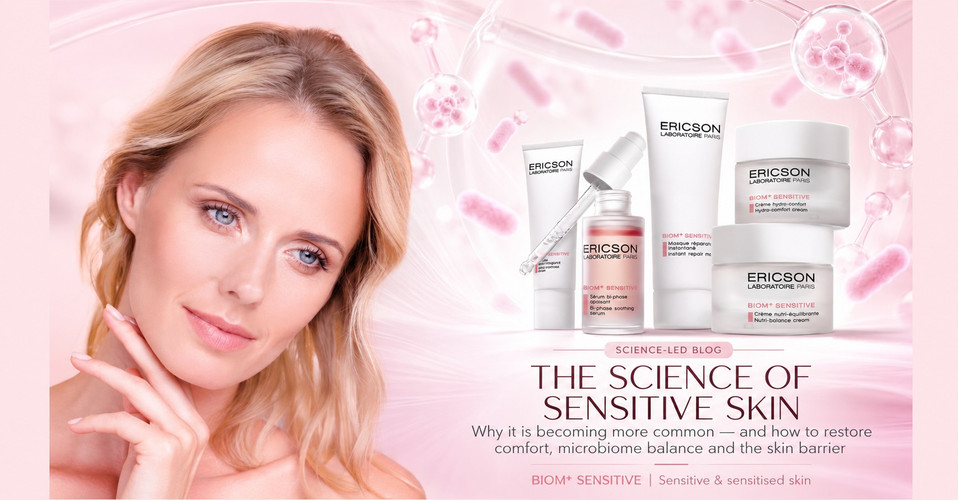
Posted by Globex Beauty Solutions on 28th Sep 2026
SENSITIVE SKIN IS BECOMING A MAJOR SKINCARE CONCERN
Understanding the Skin Barrier, Microbiome & the New Ericson Laboratoire BIOM + SENSITIVE Approach.
Sensitive skin is no longer a concern limited to a small group of people.
Research suggests that self-perceived skin sensitivity is extremely common worldwide. A systematic review covering 26 studies and more than 51,000 people found that around 71% reported some degree of sensitive skin, although the researchers also noted that questionnaire-based studies may overestimate prevalence. Other reviews consistently report sensitivity in approximately 60–70% of women and 50–60% of men.
This closely reflects the clinical context behind Ericson Laboratoire's new BIOM+ SENSITIVE range, which identifies sensitive skin as a widespread issue characterised by redness, tightness, tingling, burning and persistent discomfort.
For skincare professionals and consumers, the important question is no longer simply: "How do we calm redness?"
It is increasingly: "Why is the skin becoming reactive in the first place — and how can we help restore its ability to defend and regulate itself?"
WHAT ACTUALLY IS SENSITIVE SKIN?
Sensitive skin is recognised by dermatology researchers as a syndrome involving unpleasant sensations such as stinging, burning, itching, pain or tingling in response to triggers that would normally not cause those sensations.
Importantly, the skin can sometimes look completely normal. In other cases, visible redness may accompany the discomfort.
This helps explain why sensitive skin can be frustrating for clients.
The skin may feel irritated even when there is very little to see externally.
And sensitivity is not necessarily the same as allergy. Sensitive skin involves complex interactions between the skin barrier, sensory nerves, inflammatory signalling and other biological systems.
SENSITIVE SKIN OR SENSITISED SKIN?
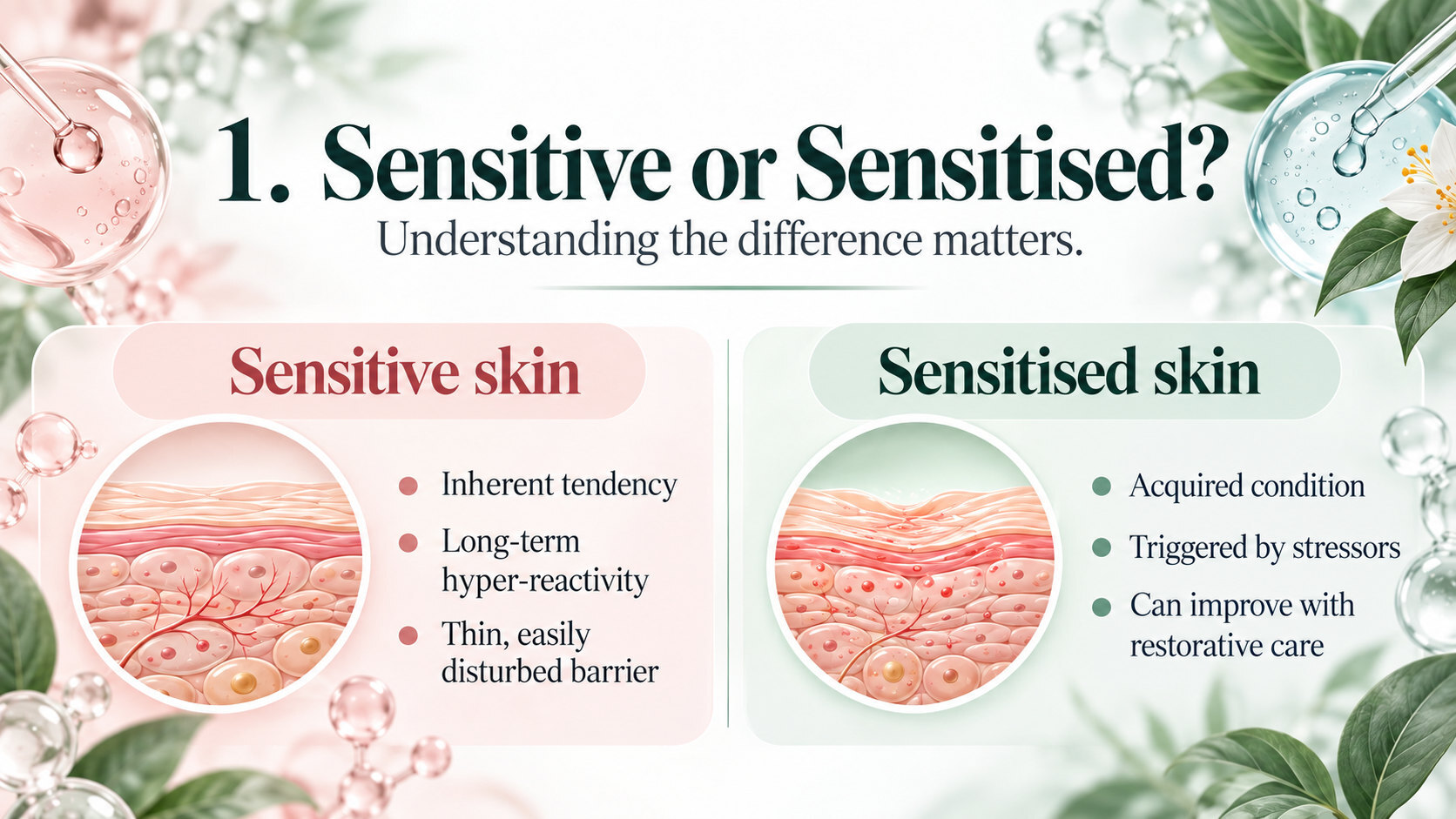
This distinction is particularly useful.
- Sensitive skin generally refers to an inherent tendency toward long-term hyper-reactivity. The skin reacts easily to temperature changes, wind, skincare products, stress and other triggers.
- Sensitised skin, however, is an acquired condition.
Skin that was previously normal can become temporarily or chronically reactive after its protective barrier has been disrupted by factors such as aggressive cleansing, excessive exfoliation, unsuitable products, pollution or stress. Ericson Laboratoire specifically differentiates these two conditions in its BIOM+ SENSITIVE technical approach.
This distinction matters because today almost any skin type can become sensitised.
- Dry skin can become sensitised.
- Oily or combination skin can become sensitised.
- Mature skin can become sensitised.
(+) skin undergoing intensive cosmetic treatments can temporarily become significantly more reactive.
WHY ARE WE HEARING SO MUCH MORE ABOUT SENSITIVE SKIN?
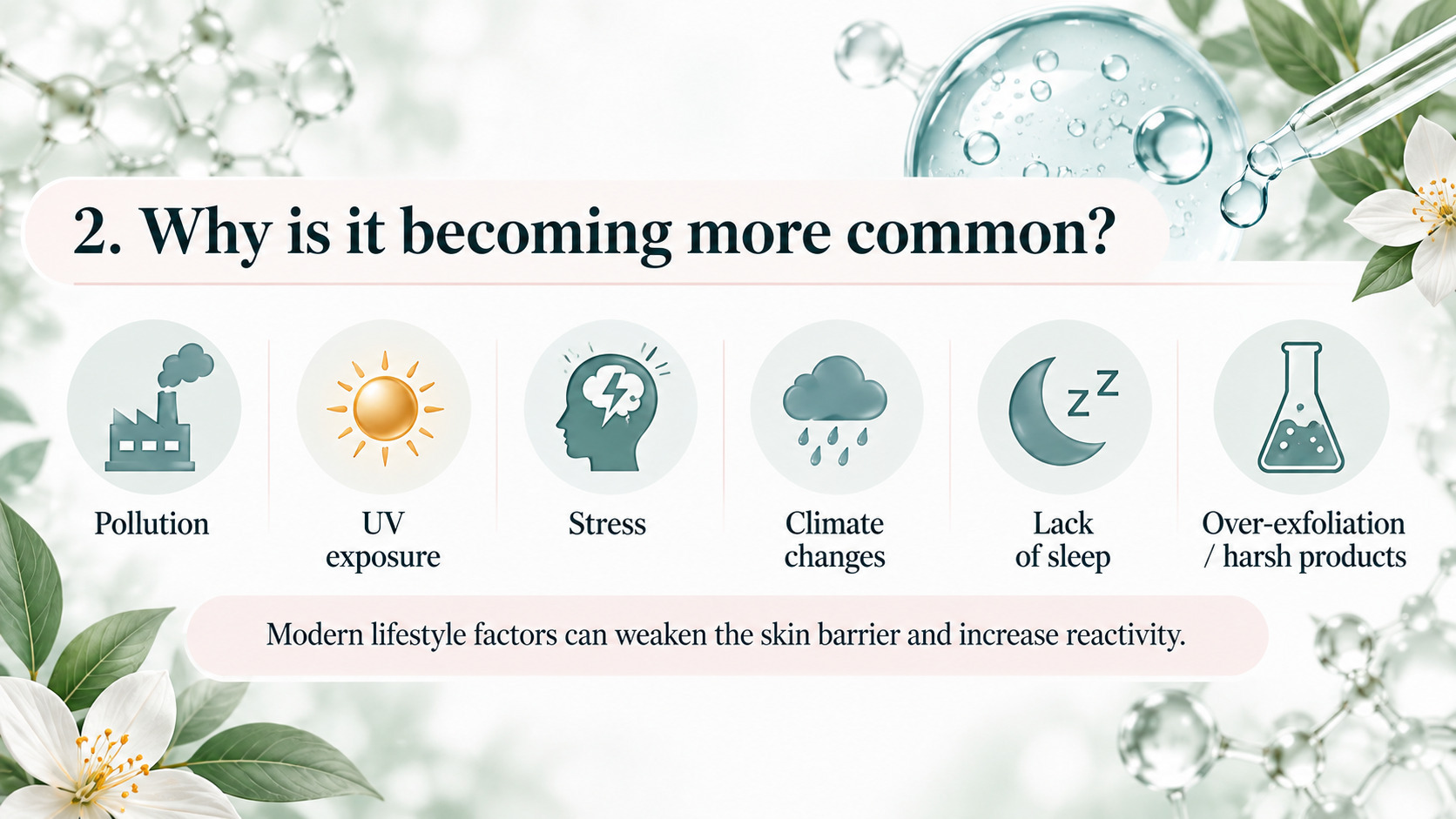
Modern skin is exposed to a combination of environmental and lifestyle influences sometimes described collectively as the skin exposome.
These influences can include UV exposure, pollution, temperature and humidity changes, psychological stress, insufficient sleep, diet, smoking and other environmental exposures. Research indicates that these factors can affect barrier function, inflammatory processes, microbial balance and skin homeostasis.
Ericson Laboratoire highlights many of the same factors — including pollution, UV exposure, stress, climatic variation, lack of sleep and unsuitable diet - as contributors capable of weakening the skin barrier and increasing hyper-reactivity.
There is also growing awareness of another modern problem: too much skincare...
Repeated cleansing, aggressive exfoliation, strong active ingredients and poorly matched skincare routines can compromise the protective barrier. The BIOM+ documentation specifically identifies exfoliants, stripping cleansers and unsuitable products among factors capable of producing sensitised skin.
This helps explain something we increasingly see in skincare:
A client may not naturally have sensitive skin - but their skin can nevertheless behave like sensitive skin.
STRESS REALLY CAN AFFECT THE SKIN
The skin and nervous system are closely connected.
An evidence-based review of many studies found that psychological stress can negatively affect epidermal barrier function, including reductions in skin hydration and structural lipids and increases in transepidermal water loss.
The BIOM+ SENSITIVE technical research takes this relationship further through the concept of the Neuro-Immuno-Cutaneous system - NIC.
The skin contains sensory nerves, immune cells and skin cells that continuously communicate with one another.
When this communication is balanced, the skin can respond appropriately to environmental challenges.
When it becomes dysregulated, increased neuronal signalling, inflammation and barrier disruption can contribute to persistent hypersensitivity and discomfort.
This is why modern sensitive-skin care is moving beyond simply applying something that 'feels soothing'.
The goal is increasingly to support the biological systems responsible for skin tolerance and resilience.
THE MICROBIOME: ANOTHER PART OF THE SENSITIVE-SKIN PUZZLE
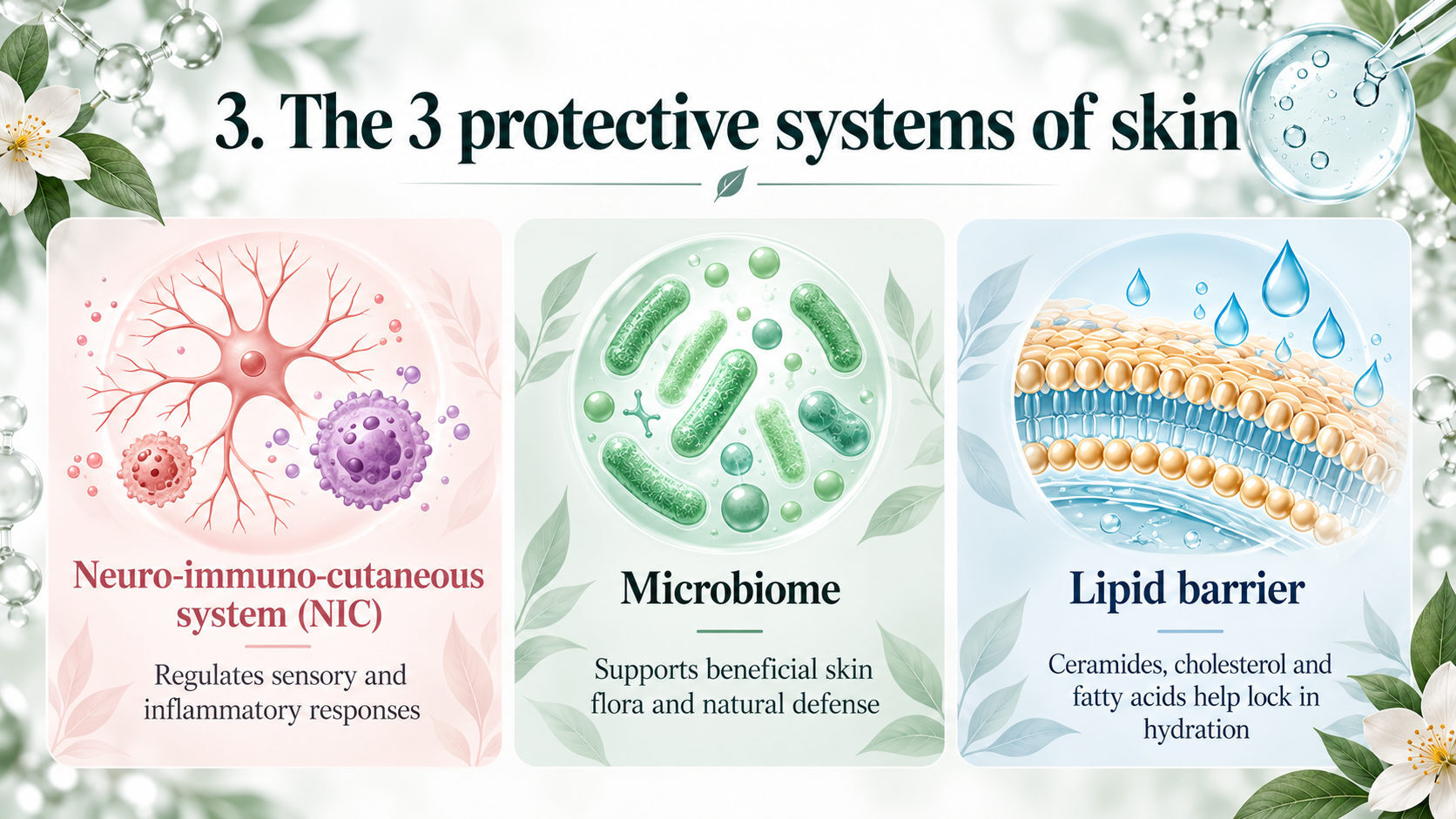
Our skin is home to a complex community of microorganisms known as the 'skin microbiota'.
Together with their genes and interactions with the skin, they form the wider 'skin microbiome'.
A healthy resident microbiota helps occupy space that could otherwise be colonised by undesirable microorganisms, contributes to antimicrobial defence and communicates with the skin's immune system.
When this ecosystem becomes disrupted - a state known as 'dysbiosis' - barrier function and microbial balance can be affected.
Research increasingly links skin microbiome disruption with inflammatory skin conditions, while prebiotic and postbiotic approaches are being actively investigated for their potential to support skin health.
BIOM+ SENSITIVE therefore approaches microbiome balance as one of the fundamental components of sensitive-skin care rather than treating it as a marketing afterthought.
THE THIRD ELEMENT: THE PHYSICAL SKIN BARRIER
The outermost layer of the epidermis can be imagined as a wall.
Skin cells form the 'bricks'.
Lipids - particularly ceramides, cholesterol and fatty acids - form much of the 'cement' between them.
This lipid structure helps reduce water loss while limiting penetration of irritants, allergens and microorganisms.
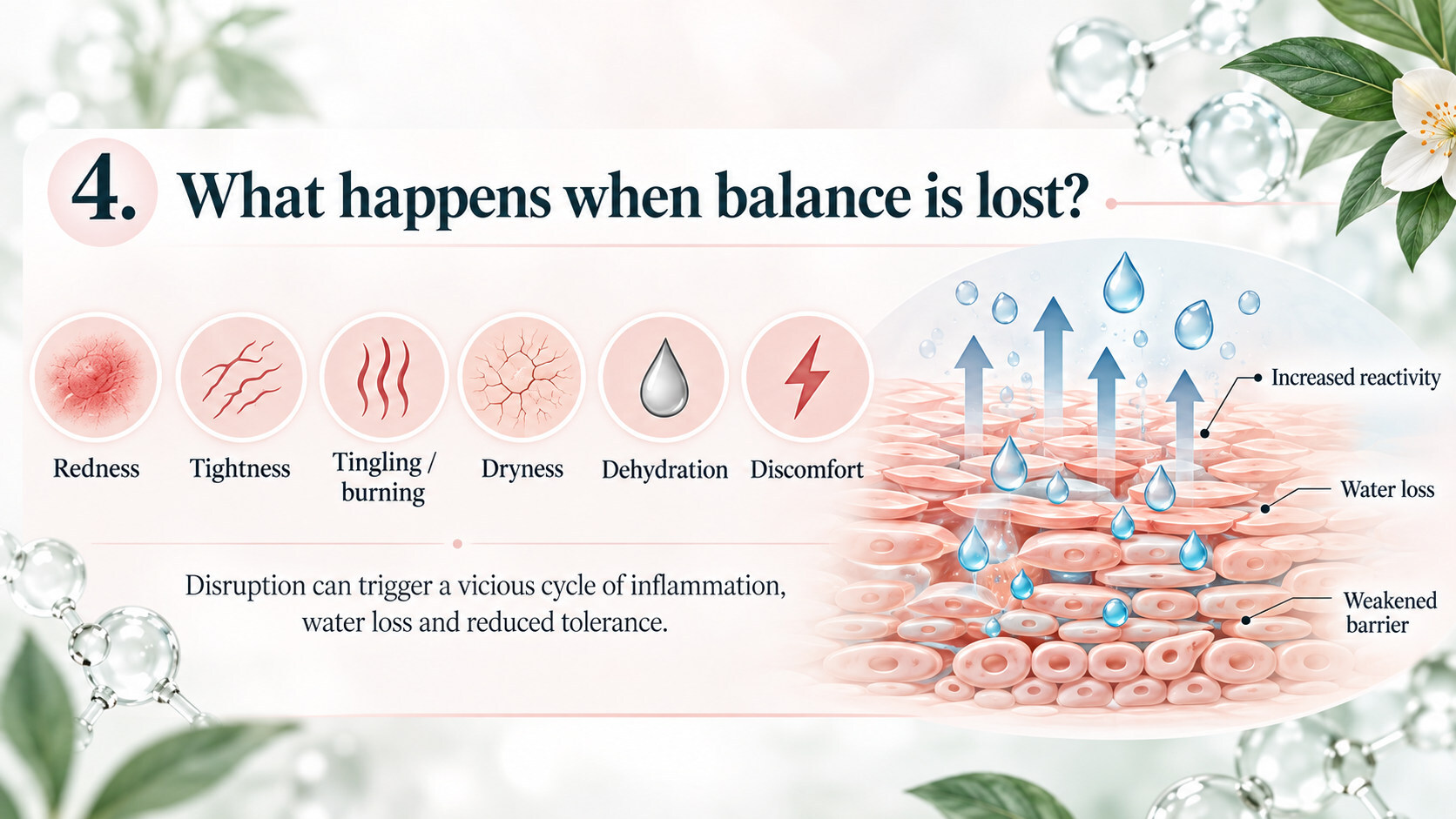
When this barrier becomes compromised, the result can include: dryness, tightness, redness, irritation, moisture loss and increased sensitivity.
Barrier disruption can also influence the microbiome, creating a cycle in which sensitivity becomes increasingly difficult to settle.
This is why barrier repair has become one of the most important concepts in contemporary sensitive-skin care.
BIOM+ SENSITIVE: THREE SYSTEMS, ONE APPROACH
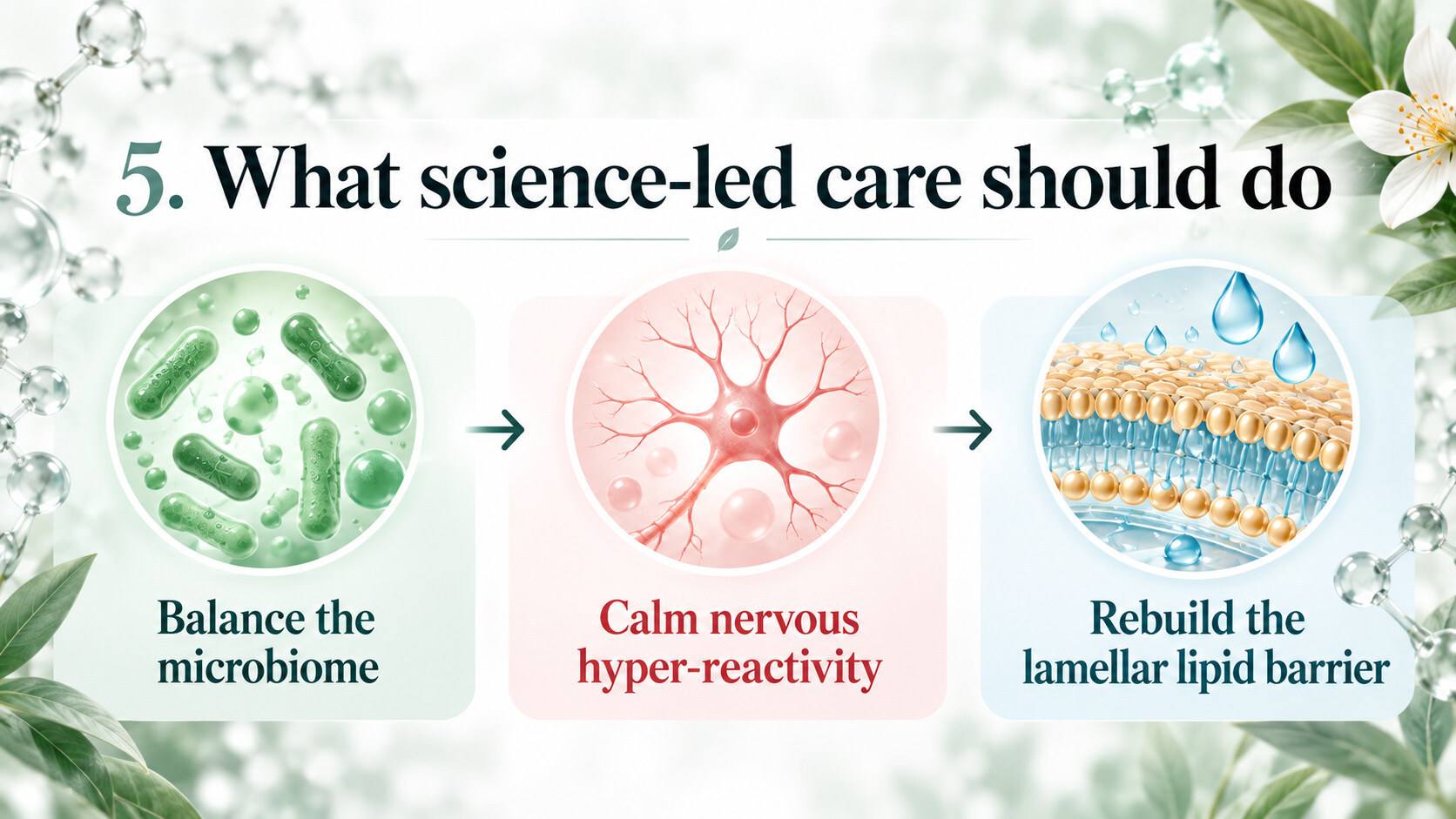
Ericson Laboratoire created BIOM+ SENSITIVE - Reactive Skin Balance around three interconnected areas of sensitive-skin physiology.
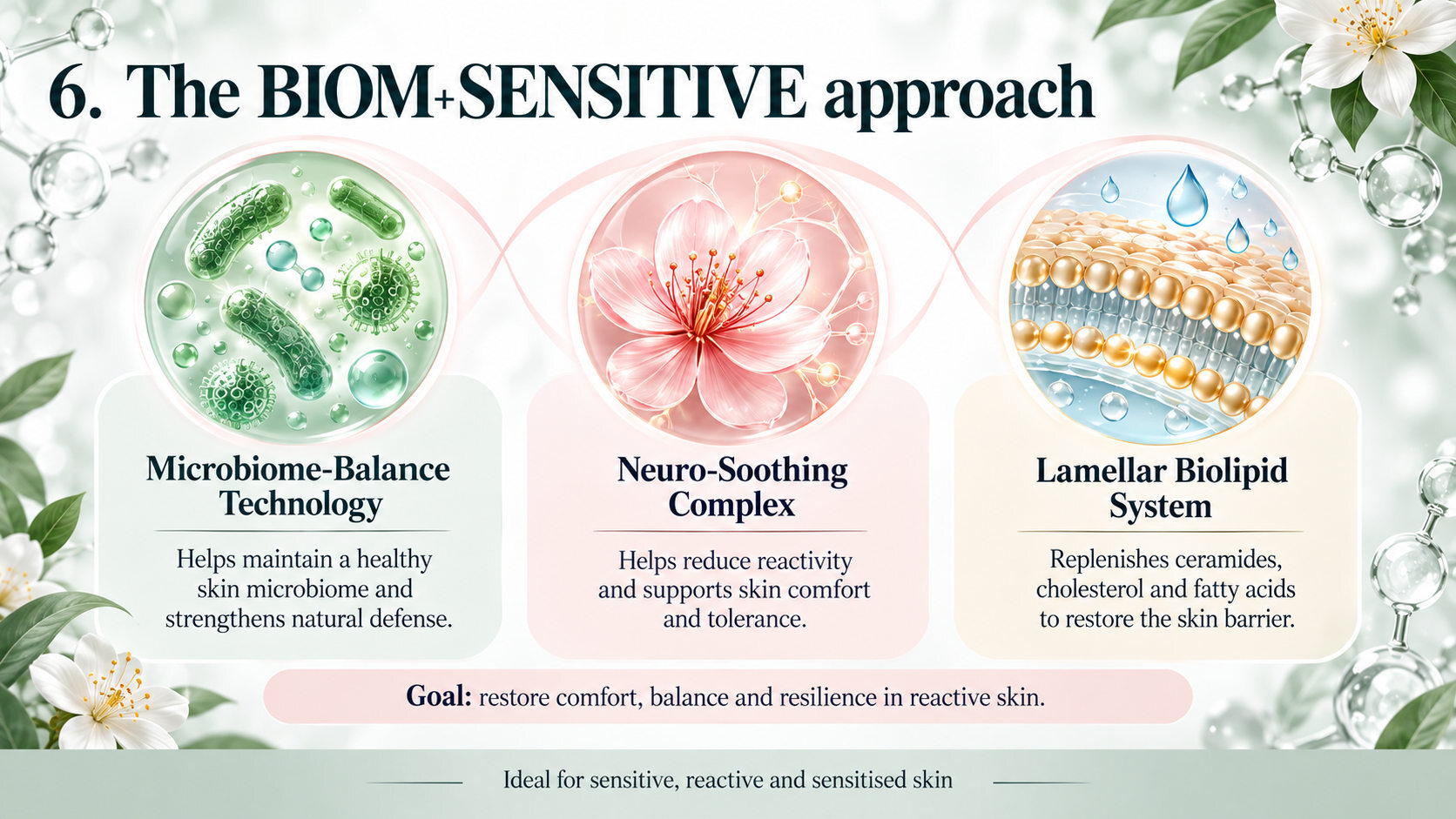
1. Microbiome-Balance Technology is designed to support the microbial ecosystem and favour conditions associated with a stable resident flora.
2. Neuro-Soothing Technology targets excessive sensory reactivity and the neuro-immuno-cutaneous system associated with sensations such as burning, tingling and discomfort
3. Lamellar Biolipid Technology uses biomimetic lipid structures to reinforce the skin barrier, improve water retention and support skin comfort.
Rather than approaching redness, dehydration and discomfort as completely separate problems, BIOM+ SENSITIVE considers them interconnected manifestations of disturbed skin homeostasis
That is the most interesting aspect of the BIOM + SENSITIVE range.
PREBIOTICS, POSTBIOTICS AND NEURO-COSMETIC ACTIVES.
The BIOM+ formulations use several technologies associated with microbiome and sensitive-skin research.
The range includes AD-RESYL, derived from Ophiopogon japonicus, alongside pre/probiotic and postbiotic complexes including ECOSKIN and DEFENSIL. Its neuro-soothing strategy includes actives such as HYDRASENSYL, NEUROFENSE and NEUROPHROLINE, designed around inflammatory signalling, skin stress and sensory hyper-reactivity.
Finally, a lamellar ceramide complex is designed to mimic aspects of the skin's natural lipid architecture, supporting cohesion, water retention and barrier integrity.
This combination makes BIOM+ SENSITIVE particularly interesting for skin that needs more than temporary soothing.
THE BIOM+ SENSITIVE HOME-CARE ROUTINE
The home-care line includes five products: E1180 Bi-Phase Soothing Serum, E1181 Anti-Redness Fluid, E1182 Hydra-Comfort Cream, E1183 Nutri-Balance Cream and E1184 Instant Repair Mask.
• Bi-Phase Soothing Serum is the intensive first step for reactive, uncomfortable or barrier-compromised skin. Its formula combines fermented rice filtrate, ceramide support, microbiome-focused ingredients and neuro-soothing active ingredients.
• Anti-Redness Fluid combines soothing skincare with green correcting pigments to immediately soften the appearance of visible redness.
• Hydra-Comfort Cream provides lighter daily hydration for sensitive or dehydrated skin, while Nutri-Balance Cream provides richer nourishment for dry or lipid-depleted sensitive skin.
• Instant Repair Mask is designed as an intensive comfort treatment for skin affected by redness, heat, tightness or post-treatment sensitivity.
THE BIGGER MESSAGE: LESS AGGRESSION, MORE SKIN RESILIENCE.
Sensitive skin should not simply be treated as 'red skin'.
It can involve the interaction of the skin barrier, microbiome, nervous system, immune signalling, environment and lifestyle.
That is also why one universal sensitive-skin routine is unlikely to suit everybody.
Some clients primarily need hydration.
Others need lipids.
Some experience visible redness.
Others experience burning or tingling with almost no visible signs.
And many people simply need to stop repeatedly disrupting their barrier.
The modern approach is therefore not to overwhelm reactive skin with more actives.
It is to reduce unnecessary aggression, restore barrier integrity, suport microbial balance and gradually rebuild skin tolerance.
This is the philosophy behind ERICSON LABORATOIRE BIOM+ SENSITIVE - Reactive Skin Balance.
For anyone noticing persistent burning, itching, inflammation, scaling or unexplained redness, professional medical assessment remains important because conditions such as rosacea, eczema, allergic contact dermatitis and other dermatological disorders can resemble or coexist with sensitive skin.